

Within the current rapidly changing and ever-evolving corporate landscape, executives are constantly seeking approaches that allow them to manage complexity with lucidity and impact. One such approach that is gaining prominence is Leadership through Critical Paths. This approach emphasizes the importance of identifying and valuing essential tasks that drive corporate success, allowing leaders to concentrate their efforts on the most important aspects. By honing in on the critical paths that propel projects forward, executives can make informed decisions, allocate resources efficiently, and foster a culture of accountability and teamwork.
Critical Path Leadership is not just about managing timelines; it combines tactical planning with real-world execution. This mindset urges leaders to step back, evaluate their surroundings, and pinpoint the key tasks that will unlock potential and drive their teams toward success. By adopting this mindset, executives can create a concentrated environment where team members are enabled to make contributions meaningfully, which in turn leading to improved results and long-lasting growth.
Grasping Critical Path Leadership
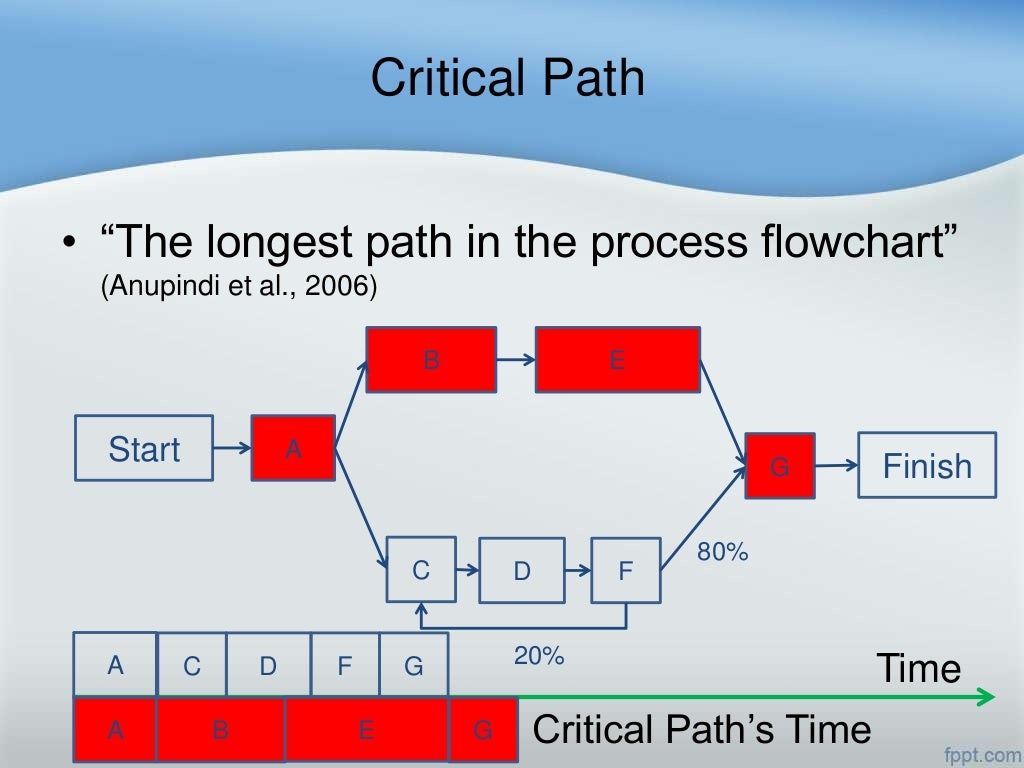
This leadership approach is a holistic approach that highlights the identification and prioritization of the crucial tasks needed to reach a specific goal. By centering on the main pathways within projects, leaders can streamline processes and distribute resources efficiently. This approach allows teams to concentrate their efforts on the components that will have the greatest impact on project success, which in turn reducing the risk of setbacks and misunderstandings.
At the center of Critical Path Leadership is the capability to anticipate potential roadblocks and difficulties that may occur during project execution. Leaders who practice this approach engage in comprehensive planning and evaluation, using tools such as project timelines or project management software to visualize timelines and relationships. This proactive mindset ensures that teams remain flexible and ready to make wise decisions as situations evolve.
Additionally, effective interaction plays a key role in Critical Path Leadership. Leaders must promote open dialogue among team members, ensuring each person comprehends their roles and obligations regarding essential tasks. By maintaining transparency about advancements and barriers, leaders can encourage collaboration and responsibility, empowering their teams to address challenges collectively and maintain momentum toward completing their goals.
Key Principles of the Critical Path Philosophy
The initial principle of the Critical Path Philosophy is clarity of goals. A successful leader must establish the vision and aims explicitly to ensure that all team members comprehend their roles and tasks. This clarity encourages consistency, enabling team members to direct their efforts on the activities that matter the most critical. By setting specific milestones along the critical path, leaders can evaluate development and make essential adjustments to stay on track.
Another essential principle is ranking of tasks. In the framework of any initiative, not all tasks carry the same importance. Leaders must recognize which activities are critical for reaching the project's end objectives and focus on resources accordingly. This involves recognizing dependencies and likely hindrances that could interfere with progress. By concentrating on high-impact tasks, leaders can optimize team productivity and ensure that time and resources are utilized productively.
In conclusion, regular interaction is essential in the Critical Path Philosophy. Leaders should foster clear lines of communication to share updates, seek feedback, and adapt strategies as needed. Frequent meetings help in recognizing issues early and cultivate a cooperative environment where team members feel motivated to engage. This focus on participation and clarity bolsters the team’s commitment to the initiative and enhances the likelihood of reaching the intended outcomes.
Implementing Essential Route Tactics
To efficiently carry out CP Management, it is crucial to begin with a distinct definition of objectives and priorities. Leaders must engage employees in a cooperative initiative to map out the essential actions that ensure assignment completion. By mapping these activities, teams can illustrate dependencies and workflows, ensuring everyone understands how their contributions impact the collective aims. Frequent updates and reports can assist keep the emphasis on these essential components, allowing the group to adapt swiftly to unexpected issues that occur.
An additional key factor is the creation of criteria for progress. Directors should define precise, trackable goals that align with the CP. This involves defining deadlines and performance indicators that facilitate regular monitoring of advancement. By applying these indicators, teams can not only evaluate their advancement but also spot possible bottlenecks in the moment. This proactive approach enables directors to make knowledgeable judgments, reallocating resources or modifying schedules as necessary to sustain momentum.
Finally, nurturing an environment of ongoing development is essential for the continuity of Critical Path Management. Courtland Painting and Color Design should support consistent reviews and assessments on approaches and outcomes. Focusing on learning from both victories and challenges enables teams to enhance their approaches and become more proficient in overseeing the critical path. By fostering a environment that cherishes flexibility and resilience, directors can make certain their organizations remain dedicated to superiority and are equipped to overcome upcoming tests.
Phone: +1 424-493-2046 Hours: Open · Closes 5 pm